Quick Answer
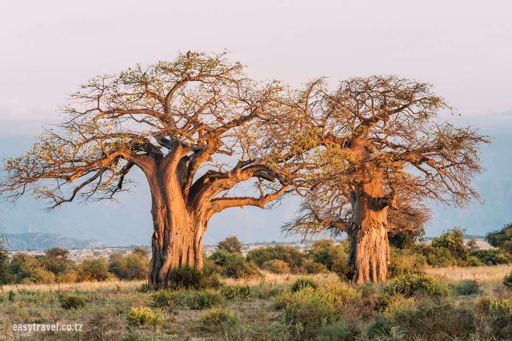
Tarangire National Park is famous for its iconic baobab trees. These massive, ancient trees are a defining feature of the park’s landscape and are often seen alongside large elephant herds.
This guide gives you everything you need to know about the Tarangire baobab landscape — where to see baobabs, best time to visit, photography tips and conservation.
What Are Baobab Trees?
Baobab trees (Adansonia digitata) are iconic trees native to Africa. They are known for their massive, thick trunks and distinctive shape.
Baobabs can live for thousands of years and are an important part of the ecosystem, providing food and shelter for many animals.
Why Tarangire Is Famous for Baobabs
Tarangire National Park is famous for its large population of baobab trees. The park’s dry, savanna landscape is ideal for baobabs, which are well adapted to dry conditions.
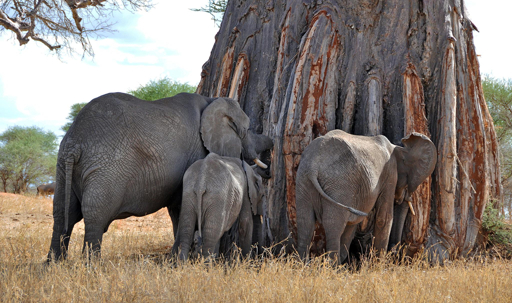
The baobabs are often seen alongside large elephant herds, creating one of the most iconic images of the African savanna.
Where to See Baobabs in Tarangire
- Throughout the park
- Near the Tarangire River
- In the open plains
- In the woodlands
Best Time to Visit
The best time to see the baobab landscape in Tarangire is during the dry season (June–October), when the weather is dry and sunny, and wildlife viewing is at its best.
- June–October: Best for wildlife and baobab viewing
- November–February: Good for baobab viewing
- March–May: Wet season, landscape is green and beautiful
Baobab and Elephants
Baobabs and elephants are closely linked in Tarangire. Elephants often feed on baobab bark, and the trees provide important habitat for many animals.
- Elephants feed on baobab bark
- Baobabs provide shelter for many animals
- The combination of baobabs and elephants is iconic
Photography Tips
- Use a wide-angle lens for landscapes
- Shoot at sunrise or sunset for golden light
- Include wildlife for context
- Use a tripod for stability
Conservation
Baobabs face threats from climate change and habitat loss. Tarangire is an important area for baobab conservation in Tanzania.
- Protecting baobab habitats
- Research and monitoring
- Community-based conservation
- Responsible tourism
Frequently Asked Questions
What are baobab trees?
Baobab trees are iconic trees native to Africa, known for their massive, thick trunks and distinctive shape.
Why is Tarangire famous for baobabs?
Tarangire has a large population of baobab trees, which are a defining feature of the park’s landscape.
Where can I see baobabs in Tarangire?
Baobabs can be seen throughout the park, especially near the Tarangire River and in the open plains.
When is the best time to see baobabs?
June–October (dry season) is the best time for wildlife and baobab viewing.
Are baobabs and elephants linked?
Yes — elephants often feed on baobab bark, and the combination is iconic.
Can I photograph baobabs?
Yes — Tarangire is one of the best places in Tanzania for baobab photography.
Are baobabs endangered?
Baobabs face threats from climate change and habitat loss, but they are not currently endangered.
How can I support baobab conservation?
Choose responsible tour operators and support community-based conservation projects.