Quick Answer
Ngorongoro Crater is one of the best places in Africa for wildlife photography. With its high density of animals, dramatic landscapes and beautiful light, it offers endless opportunities for stunning photos.
This guide gives you everything you need to know to capture amazing wildlife photos in Ngorongoro — from the best spots and times to camera gear and settings.
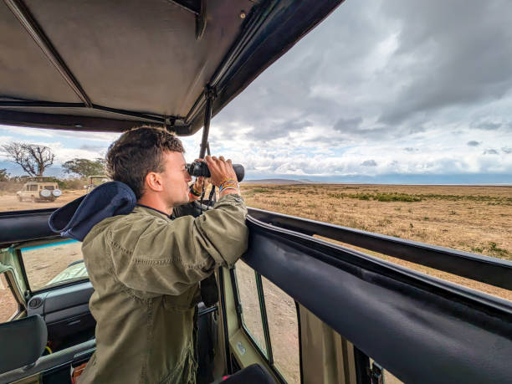
Why Ngorongoro Is Great for Photography
Ngorongoro Crater is a photographer’s dream. The crater floor is home to an incredible concentration of wildlife, and the steep walls create a natural amphitheatre that frames every shot.
The light is also beautiful — especially at sunrise and sunset, when the crater is bathed in golden light. Whether you are a beginner or a professional, you will find plenty of opportunities to capture amazing images.
Best Spots for Wildlife Photography
1. Lake Magadi
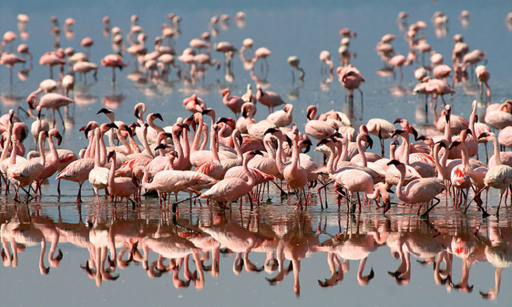
This shallow alkaline lake is home to thousands of flamingos. It is one of the most photogenic spots in the crater, especially at sunrise or sunset.
2. The Swamps
The swamps in the crater are home to elephants, hippos and many bird species. They are a great place to capture wildlife in a lush, green setting.
3. The Forested Areas
The forests on the crater walls are home to leopards, elephants and many primates. They offer a different, more intimate setting for photography.
4. The Open Plains
The open plains are where you will find lions, cheetahs, zebras and wildebeest. They are perfect for wide-angle shots and action photos.
Best Time for Photography
The best time for wildlife photography in Ngorongoro is early morning and late afternoon, when the light is soft and golden.
- Sunrise (6:00–8:00 am): Best for landscapes and wildlife in golden light
- Late afternoon (4:00–6:00 pm): Best for warm, dramatic light
- Midday: Best for close-ups and detail shots
Camera Gear for Ngorongoro
You do not need expensive gear to take great photos, but a few key items will help.
- DSLR or mirrorless camera
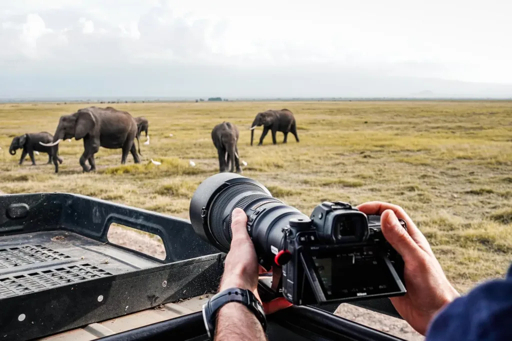
- Telephoto lens (200–400 mm or more)
- Wide-angle lens (for landscapes)
- Extra batteries and memory cards
- Bean bag or tripod (for stability)
- Dust protection (for your camera)
Camera Settings for Wildlife
- Use a fast shutter speed (1/1000 s or faster) for action shots
- Use a wide aperture (f/2.8–f/5.6) for a blurred background
- Use ISO 100–400 in good light, higher in low light
- Use continuous autofocus (AI Servo/AF-C) for moving animals
- Shoot in RAW format for more editing flexibility
Composition Tips
- Use the rule of thirds
- Include the environment for context
- Get low for a more dramatic perspective
- Wait for the right moment (action, interaction, light)
- Use leading lines (roads, rivers, animal trails)
Ethical Wildlife Photography
- Keep a safe distance from animals
- Do not bait or disturb wildlife
- Follow your guide’s instructions
- Respect the environment and other visitors
Frequently Asked Questions
What is the best camera for Ngorongoro?
A DSLR or mirrorless camera with a telephoto lens (200–400 mm or more) is ideal.
When is the best time for photography?
Early morning and late afternoon, when the light is soft and golden.
Can I use a smartphone?
Yes — modern smartphones can take good photos, but a dedicated camera will give you more flexibility.
What lens should I bring?
A telephoto lens (200–400 mm or more) is essential for wildlife.
How do I get sharp photos?
Use a fast shutter speed, continuous autofocus and a stable support (bean bag or tripod).
Can I photograph flamingos?
Yes — Lake Magadi is one of the best places to photograph flamingos.
Is it safe to photograph wildlife?
Yes — as long as you keep a safe distance and follow your guide’s instructions.
Can I combine photography with a safari?
Yes — many photographers combine Ngorongoro with Serengeti or Tarangire for a full photography safari.