Quick Answer
Ngorongoro Crater is one of the best places in Africa for a safari. A 2-day itinerary is enough for a good experience, but a 3–4 day itinerary gives you more time to explore and see more wildlife.
This guide gives you sample itineraries for 2, 3 and 4 days, including game drives, wildlife, accommodation and how to combine Ngorongoro with Kilimanjaro or Serengeti.
Why Choose Ngorongoro?
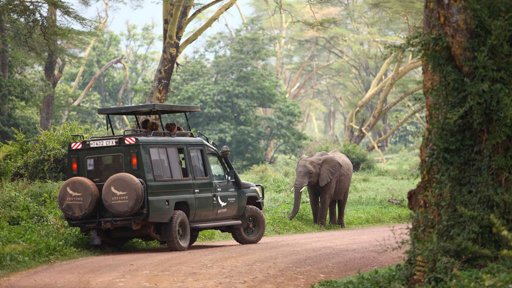
Ngorongoro Crater is a UNESCO World Heritage Site and one of the best places in Africa to see wildlife. The crater floor is home to lions, elephants, rhinos, zebras, wildebeest and flamingos — all in one place.
Because the walls of the crater are steep, many animals live inside year-round, making it one of the best places for a safari.
2-Day Ngorongoro Safari Itinerary
Day 1: Arusha to Ngorongoro
- Morning: Depart Arusha and drive to Ngorongoro (3–4 hours)
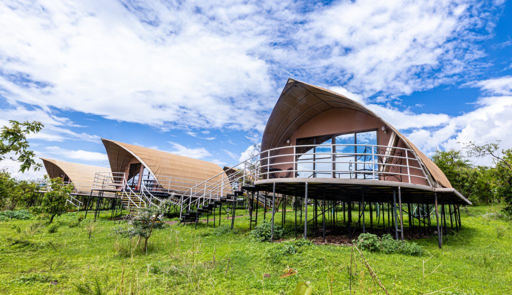
- Afternoon: Arrive at Ngorongoro, check in to your lodge or camp
- Evening: Dinner and overnight at your accommodation
Day 2: Full-Day Game Drive and Return
- Early morning: Descend into the crater for a full-day game drive
- Midday: Picnic lunch inside the crater
- Afternoon: Continue game drive, then ascend and drive back to Arusha
- Evening: Arrive in Arusha
3-Day Ngorongoro Safari Itinerary
Day 1: Arusha to Ngorongoro
- Morning: Depart Arusha and drive to Ngorongoro (3–4 hours)
- Afternoon: Arrive at Ngorongoro, check in to your lodge or camp
- Evening: Dinner and overnight at your accommodation
Day 2: Full-Day Game Drive
- Early morning: Descend into the crater for a full-day game drive
- Midday: Picnic lunch inside the crater
- Afternoon: Continue game drive, then ascend and return to your lodge
- Evening: Dinner and overnight at your accommodation
Day 3: Ngorongoro to Arusha
- Morning: Optional cultural visit to a Maasai village or short walk
- Afternoon: Drive back to Arusha (3–4 hours)
- Evening: Arrive in Arusha
4-Day Ngorongoro Safari Itinerary
Day 1: Arusha to Ngorongoro
- Morning: Depart Arusha and drive to Ngorongoro (3–4 hours)
- Afternoon: Arrive at Ngorongoro, check in to your lodge or camp
- Evening: Dinner and overnight at your accommodation
Day 2: Full-Day Game Drive
- Early morning: Descend into the crater for a full-day game drive
- Midday: Picnic lunch inside the crater
- Afternoon: Continue game drive, then ascend and return to your lodge
- Evening: Dinner and overnight at your accommodation
Day 3: Ngorongoro to Serengeti
- Morning: Drive from Ngorongoro to Serengeti (3–4 hours)
- Afternoon: Game drive in Serengeti
- Evening: Dinner and overnight in Serengeti
Day 4: Serengeti to Arusha
- Morning: Morning game drive in Serengeti
- Afternoon: Drive back to Arusha (5–6 hours)
- Evening: Arrive in Arusha
What’s Included
- Professional English-speaking guide
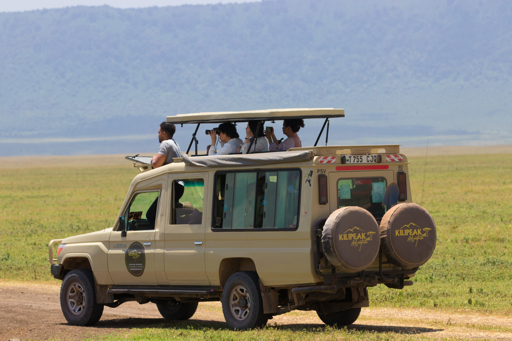
- 4x4 safari vehicle with pop-up roof
- Park fees and crater fees
- Meals as per itinerary
- Accommodation as per itinerary
- Bottled water
What to Pack
- Light clothing for daytime
- Warm layers for early mornings and evenings
- Comfortable walking shoes
- Sunscreen and hat
- Camera and binoculars
- Personal medication
Best Time to Visit
- June–October: Best for wildlife viewing (dry season)
- December–February: Good for wildlife viewing (short dry season)
- March–May: Wet season, fewer crowds but muddy roads
- November: Short rains, transitional period
Combining Ngorongoro with Kilimanjaro
Many climbers combine Kilimanjaro with a Ngorongoro safari. This is a great way to experience both the mountain and the wildlife.
- Climb Kilimanjaro (5–9 days)
- Rest for 1–2 days
- Go on a Ngorongoro safari (2–4 days)
- Optionally add Serengeti or Zanzibar
Frequently Asked Questions
How many days do I need for Ngorongoro?
2 days is enough for a good experience, but 3–4 days is better if you want to explore more.
What is included in a Ngorongoro safari?
Typically: guide, vehicle, park fees, meals, accommodation and bottled water.
Can I combine Ngorongoro with Serengeti?
Yes — a 4-day itinerary can include both Ngorongoro and Serengeti.
Can I combine Ngorongoro with Kilimanjaro?
Yes — many climbers combine Kilimanjaro with a Ngorongoro safari.
When is the best time to visit Ngorongoro?
June–October (dry season) is the best time for wildlife viewing.
What should I pack?
Light clothing, warm layers, comfortable shoes, sunscreen, hat, camera and binoculars.
Is Ngorongoro worth visiting?
Yes — it is one of the best places in Africa to see wildlife, especially the Big Five.
How much does a Ngorongoro safari cost?
Prices vary depending on duration, accommodation and group size. Contact us for a personalised quote.