Quick Answer
Ngorongoro Crater is one of the best places in Africa to see wildlife. It is a massive volcanic caldera that is home to lions, elephants, rhinos, zebras, wildebeest and flamingos — all in one place.
This guide gives you everything you need to know about visiting Ngorongoro Crater: what to see, when to go, how to get there, where to stay and how to combine it with a Kilimanjaro trek.
What Is Ngorongoro Crater?
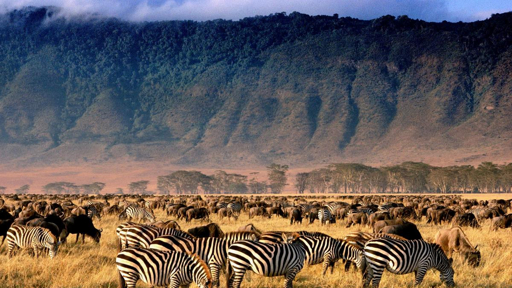
Ngorongoro Crater is the world’s largest intact volcanic caldera. It was formed when a massive volcano erupted and collapsed on itself millions of years ago, leaving a huge, bowl-shaped depression.
Today, the crater is home to an incredible concentration of wildlife. Because the walls of the crater are steep, many animals live inside year-round, making it one of the best places in Africa for a safari.
Wildlife in Ngorongoro Crater
Ngorongoro is famous for its high density of wildlife. You can see all of the “Big Five” — lions, leopards, elephants, buffalo and rhinos — in a single day.
1. Lions
Ngorongoro has one of the highest densities of lions in Africa. You are almost guaranteed to see them during a game drive.
2. Elephants
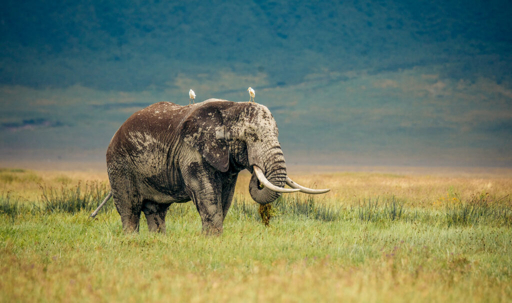
The crater is home to large bull elephants with impressive tusks. They are often seen near the swamps and forests.
3. Black Rhinos
Ngorongoro is one of the best places in Tanzania to see black rhinos. They are critically endangered, but the crater has a healthy population.
4. Zebras and Wildebeest
Large herds of zebras and wildebeest graze on the crater floor. During the migration season, you may see thousands of them.
5. Flamingos
Lake Magadi, a shallow alkaline lake in the crater, is home to thousands of flamingos. It is a beautiful sight, especially at sunrise or sunset.
6. Other Wildlife
- Leopards
- Buffalo
- Hippos
- Cheetahs
- Hyenas
- Gazelles
- Warthogs
- Baboons
Best Time to Visit Ngorongoro Crater
Ngorongoro is a year-round destination, but the best time to visit depends on what you want to see.
June–October (Dry Season)
This is the best time for wildlife viewing. The grass is short, animals gather around water sources, and the weather is dry and sunny.
December–February (Short Dry Season)
This is another good time to visit. The weather is warm and dry, and wildlife viewing is excellent.
March–May (Long Rains)
This is the wet season. The landscape is green and beautiful, but roads can be muddy and wildlife is more scattered.
November (Short Rains)
This is a transitional period. The rains are lighter, and the landscape is starting to turn green.
How to Get to Ngorongoro Crater
Ngorongoro is located in northern Tanzania, about 180 km from Arusha. The easiest way to get there is by road.
- From Arusha: 3–4 hours by road
- From Kilimanjaro Airport: 4–5 hours by road
- From Serengeti: 3–4 hours by road
Where to Stay Near Ngorongoro Crater
There are many accommodation options near the crater, ranging from budget campsites to luxury lodges.
- Budget: Public campsites
- Mid-range: Tented camps and lodges
- Luxury: High-end lodges with crater views
Safari Options in Ngorongoro Crater
- Full-day game drive
- Half-day game drive
- Walking safari (in surrounding areas)
- Cultural visit to a Maasai village
- Combination with Serengeti or Tarangire
Combining Ngorongoro with Kilimanjaro
Many climbers combine Kilimanjaro with a Ngorongoro safari. This is a great way to experience both the mountain and the wildlife.
- Climb Kilimanjaro (5–9 days)
- Rest for 1–2 days
- Go on a Ngorongoro safari (1–2 days)
- Optionally add Serengeti or Zanzibar
Frequently Asked Questions
What is Ngorongoro Crater?
Ngorongoro Crater is the world’s largest intact volcanic caldera and one of the best places in Africa for wildlife viewing.
Can I see the Big Five in Ngorongoro?
Yes — lions, leopards, elephants, buffalo and rhinos can all be seen in the crater.
When is the best time to visit Ngorongoro?
June–October (dry season) is the best time for wildlife viewing.
How do I get to Ngorongoro?
Ngorongoro is about 180 km from Arusha, and can be reached by road in 3–4 hours.
Where should I stay near Ngorongoro?
There are options for every budget — campsites, tented camps and luxury lodges.
Can I combine Ngorongoro with Kilimanjaro?
Yes — many climbers combine Kilimanjaro with a Ngorongoro safari.
Is Ngorongoro worth visiting?
Yes — it is one of the best places in Africa to see wildlife, especially the Big Five.
How long should I spend in Ngorongoro?
1–2 days is enough for a good experience, but 2–3 days is better if you want to explore more.