Quick Answer
You do not need to be an athlete to climb Kilimanjaro, but you do need to prepare your body. A simple 8-week training plan — combining cardio, strength, hiking and stair climbing — is enough for most first-time climbers.
This guide gives you a practical, week-by-week training plan that you can follow at home or in the gym. By the end, you will be fitter, stronger and more confident for your Kilimanjaro trek.

Why Fitness Matters on Kilimanjaro
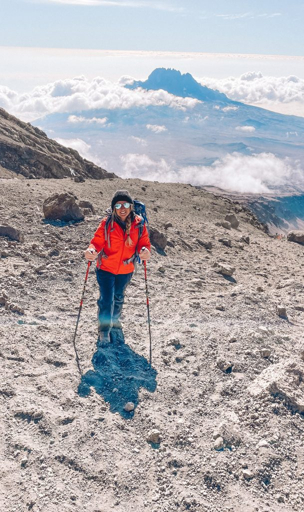
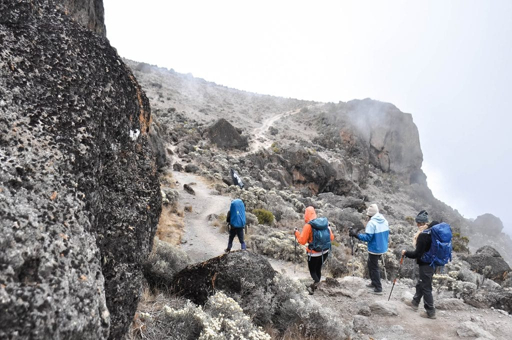
Kilimanjaro is not technically difficult, but it is physically demanding. You will be walking 5–7 hours per day for 5–9 days, often at high altitude, with a summit night that can last 12–16 hours.
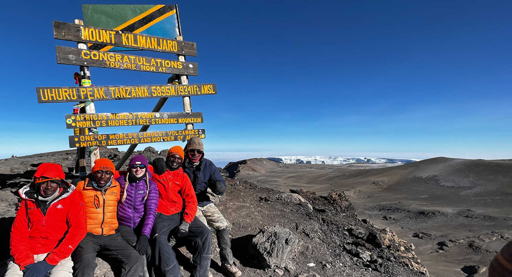
Good fitness will not prevent altitude sickness, but it will make the trek more comfortable, reduce fatigue and help you enjoy the experience more. It also improves your chances of reaching the summit, because you will have more energy and stamina for the final push.
What Fitness Do You Need for Kilimanjaro?
You need four types of fitness:
- Cardio endurance (for long walking days)
- Leg strength (for steep sections and stairs)
- Core stability (for balance and posture)
- Back and shoulder strength (for carrying a daypack)
8-Week Kilimanjaro Training Plan
Weeks 1–2: Build a Base
- Cardio: 3 sessions per week (30–40 minutes walking, jogging or cycling)
- Strength: 2 sessions per week (squats, lunges, planks, rows)
- Hiking: 1 long walk per week (2–3 hours with a light daypack)
- Stairs: 2 sessions per week (10–15 minutes)
Weeks 3–4: Increase Intensity
- Cardio: 3–4 sessions per week (40–50 minutes)
- Strength: 2 sessions per week (add weight or resistance)
- Hiking: 1 long walk per week (3–4 hours with a loaded daypack)
- Stairs: 2–3 sessions per week (15–20 minutes)
Weeks 5–6: Build Endurance
- Cardio: 4 sessions per week (50–60 minutes)
- Strength: 2 sessions per week (focus on legs and core)
- Hiking: 1 long walk per week (4–5 hours with a loaded daypack)
- Stairs: 3 sessions per week (20–25 minutes)
Weeks 7–8: Peak and Taper
- Cardio: 3 sessions per week (60 minutes)
- Strength: 2 sessions per week (maintain, don’t increase)
- Hiking: 1 long walk per week (5–6 hours with a loaded daypack)
- Stairs: 2 sessions per week (25–30 minutes)
Cardio Training
Cardio is the foundation of your Kilimanjaro fitness. It improves your lung capacity, heart health and endurance.
- Walking (brisk pace)
- Jogging or running
- Cycling
- Swimming
- Elliptical or rowing machine
Aim for 30–60 minutes per session, 3–4 times per week.
Strength Training
Strength training helps your legs, core and back handle the demands of the trek.
- Squats
- Lunges
- Step-ups
- Planks
- Rows
- Deadlifts (light weight)
Aim for 2 sessions per week, focusing on legs, core and back.
Hiking Training
Hiking is the best way to prepare for Kilimanjaro because it mimics the real thing.
- Start with 2–3 hour walks
- Gradually increase to 5–6 hour walks
- Wear a loaded daypack (5–7 kg)
- Choose hilly or uneven terrain
Aim for 1 long hike per week.
Stair Climbing
Stairs are one of the best exercises for Kilimanjaro because they mimic the steep sections of the trek.
- Use a staircase, stair machine or hill
- Aim for 15–30 minutes per session
- Gradually increase the duration and intensity
Aim for 2–3 sessions per week.
What to Avoid
- Training too hard too fast (risk of injury)
- Skipping strength training
- Not hiking with a loaded daypack
- Training only cardio (you need strength too)
- Leaving training until the last minute
Frequently Asked Questions
Do I need to be an athlete to climb Kilimanjaro?
No. Good general fitness and regular walking are enough for most people.
When should I start training?
Ideally 8–12 weeks before your trek.
How often should I train?
Aim for 4–6 sessions per week (mix of cardio, strength, hiking and stairs).
Do I need a gym membership?
No — you can train at home with walking, stairs and bodyweight exercises.
Does fitness prevent altitude sickness?
No — fitness helps you enjoy the trek, but it does not prevent altitude sickness.
What is the best exercise for Kilimanjaro?
Hiking with a loaded daypack — it mimics the real trek.
How heavy should my daypack be during training?
Aim for 5–7 kg — enough for water, snacks, rain gear and a warm layer.
Can I train too much?
Yes — overtraining can lead to injury. Listen to your body and rest when needed.